


Master the rules for window replacement in Toronto condos and heritage homes. We cover condo approvals, egress, and finding high-quality specialty and replacement windows for your project, ultimately boosting your energy efficiency.
You’re ready for a major window replacement in Toronto, seeking new windows to boost energy efficiency, comfort, and value. But if your home is a condo or in a heritage district, upgrading your windows and doors starts not with window installation, but with understanding the strict rules you must follow.
Let's dive into the details to start your window replacement project on the right track.
Do You Need Board Approval to Replace Windows in Condos?
Yes, approval from the condominium board is typically required to install windows of your own choosing. Condo windows are rarely treated as a standard part of your unit. In most Toronto condo declarations, windows are considered either a common element or an exclusive-use common element.
This critical designation dictates who covers the window replacement cost and who grants permission to proceed with the window installation. In most cases, the board must approve the specific plan for your replacement windows.
How to Request Condo Approval for Window Installation
To prevent project delays, you must secure written approval from your condo board or management before having your new windows installed.
Remember, professional installation by those who are familiar with the specific requirements of multi-unit buildings can make the approval process for your replacement windows much easier.
You can find a trusted, experienced team serving Toronto for window installation to ensure your project meets all expected local standards.

Image Source: Shutterstock
Who Covers the Cost of Window Replacement in Condos?
The condo corporation is typically responsible for replacing and repairing common elements, such as window frames and glass, and covers these expenses through your condo fees.
However, if you want to upgrade the existing windows (e.g., from double-pane to triple-pane windows) and the corporation is only willing to pay for a standard replacement window to save money, you will likely have to cover the additional cost.
The total window replacement cost needs to be clear before the new windows installation begins.
What are New Windows Requirements for Heritage Homes?
If your property is in a designated Heritage Conservation District (HCD) or is individually protected under Part IV, the city requires that replacement windows maintain original character.
While modern vinyl windows or other windows are an option, they must replicate the style of the original wood windows. Only energy-efficient windows that maintain the historic aesthetic are permitted.
- Prioritize a Match: New windows must match the old windows in their material, operating style, and fine details. You cannot simply switch from a traditional double-hung to large fixed windows.
- Mandatory Permit: Any change to the exterior that affects the heritage attributes, including window replacement, requires a Heritage Permit from the City of Toronto.
- Performance and Appearance: If you need modern performance but must maintain an old aesthetic, options like high-quality fixed windows can provide a historically accurate look while delivering excellent energy efficiency. Lower energy bills are possible even in a heritage district.
Egress and Safety: New Windows Requirements
Regardless of whether you’re in a condo or a heritage home, the Ontario Building Code (OBC) has strict safety requirements for windows, especially in bedrooms and basements. They must function as an emergency escape route, or "egress".
For every window replacement in these areas, your new windows must provide an unobstructed opening with two minimum measurements:
- Minimum Area: The opening must be at least 0.35 square metres (3.77 square feet).
- Minimum Dimension: The height or width of the opening must be at least 380 mm (15 inches).
The Building Permit Note: If you need to physically enlarge the opening in the wall to meet these egress requirements for the replacement window installation, you are performing a structural alteration and must apply for a Building Permit from the city. Casement windows are often the best choice for meeting egress codes because their full window sash swings clear.
Learn more: Everything You Need to Know About Egress Windows
Window Glazing and Noise-proof Features to Look For
If your Toronto home is near a streetcar line, you need windows and doors that prioritize sound control and energy efficiency. The smartest solution is often specialized acoustic glass, such as triple-pane glass options, or finding energy-efficient windows with laminated layers.
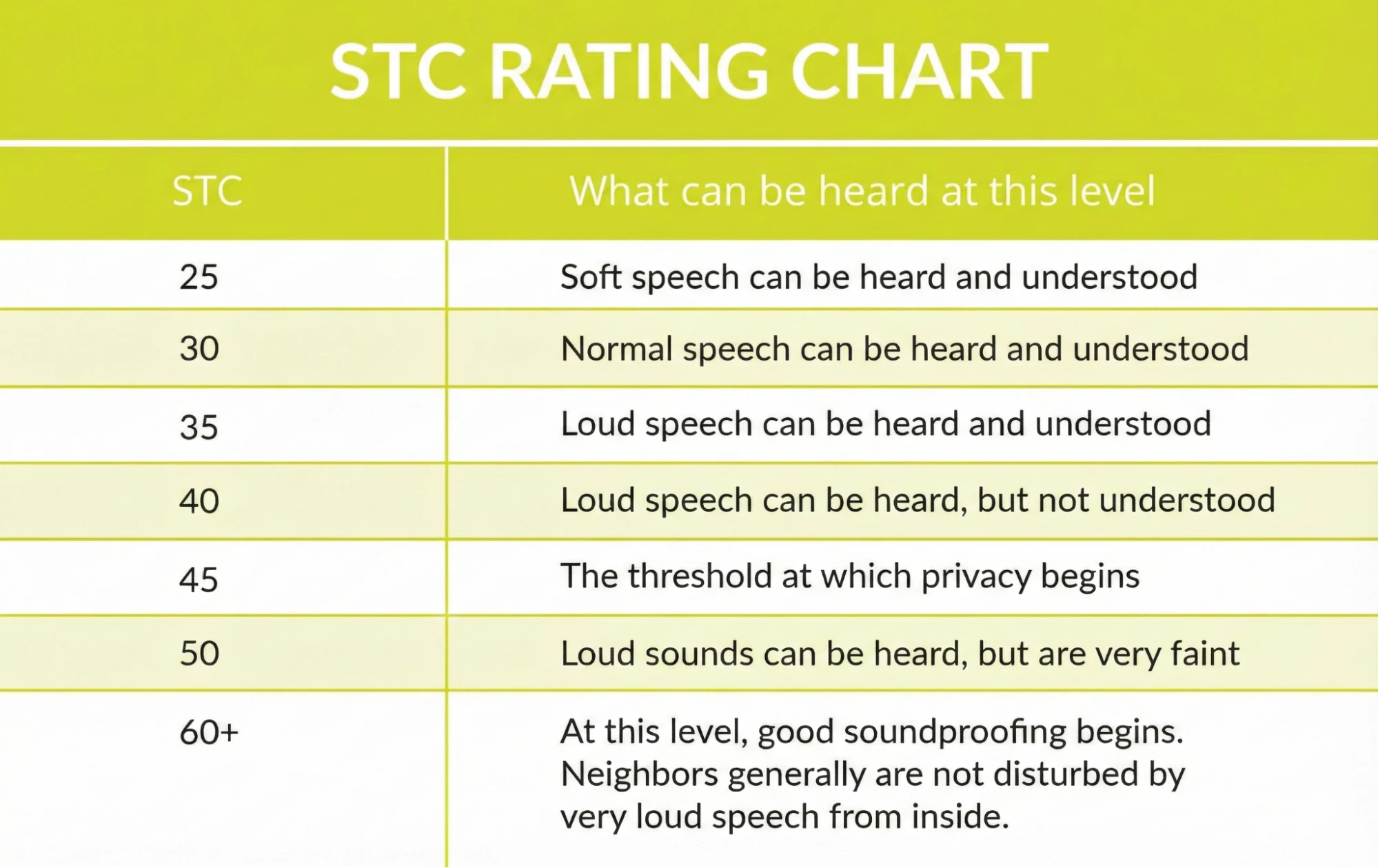
Look for the Sound Transmission Class (STC) rating, which measures a window’s ability to block noise. To significantly quiet traffic noise, you should aim for a rating of STC 35 or higher.
You should also consider key soundproofing features. The best noise-reducing replacement windows often use:
- Laminated Glass: This type of glass features a plastic interlayer that absorbs sound waves, making it highly recommended for use in busy areas.
- Triple-Pane: Three layers of glass separated by air space can dramatically dampen sound and maximize insulation. Ask your window manufacturers about triple-glazed windows.
- Asymmetrical Thicknesses: Using panes of different thicknesses (e.g. 6mm and 4mm) breaks up sound waves more effectively than two identical panes. This is crucial for maximizing the benefit of your energy-efficient replacement windows.
For properties with unique architectural needs, such as non-standard openings, our specialty shape and other fully customized windows can be designed to match any existing windows while integrating the latest sound and Energy Star technology.
FAQs About Toronto Condo and Heritage Windows
Key Takeaways
- Corporate Clearance: Get written condo board approval before you replace windows and doors.
- Heritage Match: Protected homes need a City Permit. Replacement windows must match the old windows.
- Egress Safety: Bedroom new windows must meet minimum safety sizes for emergency exit, requiring a permit if structural work is done.
- Noise Glazing: For quiet, ask window installers about high-STC triple-pane glass or laminated glass to maximize soundproofing and energy efficiency.
- Cost Clarity: If your condo covers basic window replacement in Toronto, you will pay the difference for premium upgrades, such as high-performance vinyl windows.
- Savings Strategy: Choosing a direct supplier for manufacturing and window installation can secure better value on costly repairs and energy-efficient, high-quality windows.
Navigate Window Replacement Toronto Rules with Ease
Ready to find high-quality, ENERGY-STAR certified windows at factory-direct prices? Clera Windows + Doors handles the design, manufacturing, and window installation, so you can focus on saving.
Our local installers are ready to help you navigate your unique building requirements for a smooth window replacement in Toronto. Reach out today for a no-obligation free estimate.

Adam Kwasnicki
With over 16 years at Clera Windows and Doors, Adam brings a wealth of experience in home improvement, sales, and project management. Prior to becoming VP, he personally sold and managed more than $20 million in window and door replacement projects, building on a career that also spans residential and commercial painting, home renovations, real estate, and solar energy. Known for his consultative, no-pressure approach, Adam helps homeowners navigate product options, government incentives, and competitive quotes to find the best balance of design, performance, and budget. At Clera, he also mentors sales consultants, supports marketing initiatives, and assists with customer care and escalations. Outside of work, he has shared his passion for meditation as a teacher in recreation centres and gyms, and continues to volunteer his time to support others in personal growth.


